Address
304 North Cardinal St.
Dorchester Center, MA 02124
Work Hours
Monday to Friday: 7AM - 7PM
Weekend: 10AM - 5PM

Address
304 North Cardinal St.
Dorchester Center, MA 02124
Work Hours
Monday to Friday: 7AM - 7PM
Weekend: 10AM - 5PM


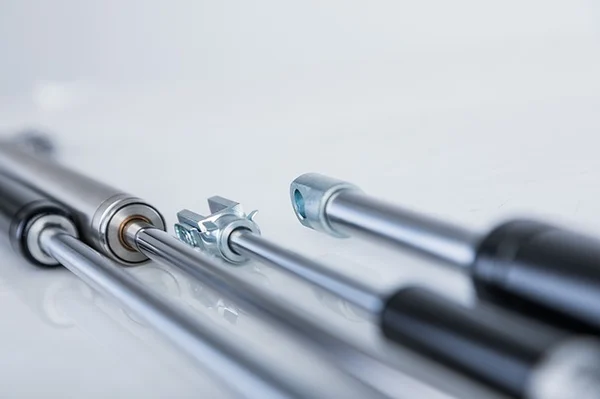
Gas springs, also known as gas struts, gas supports, or angle adjusters, are widely used industrial components that enable effortless lifting and lowering. Unlike traditional mechanical springs, gas springs provide significant advantages, particularly in industrial manufacturing. They find application in…
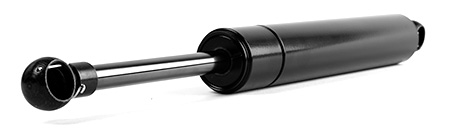
In recent years, mold technology and manufacturing techniques have significantly advanced, driving the mold industry toward precision, efficiency, and extended product lifespan. Traditional elastic components used in molds, such as gas springs and rubber elements, have certain limitations during operation.…

The gas spring lifetime testing method involves assessing various performance metrics of gas springs under simulated operating conditions to determine their durability and functionality. Below is a comprehensive explanation of the method, including additional details regarding product performance and technical…
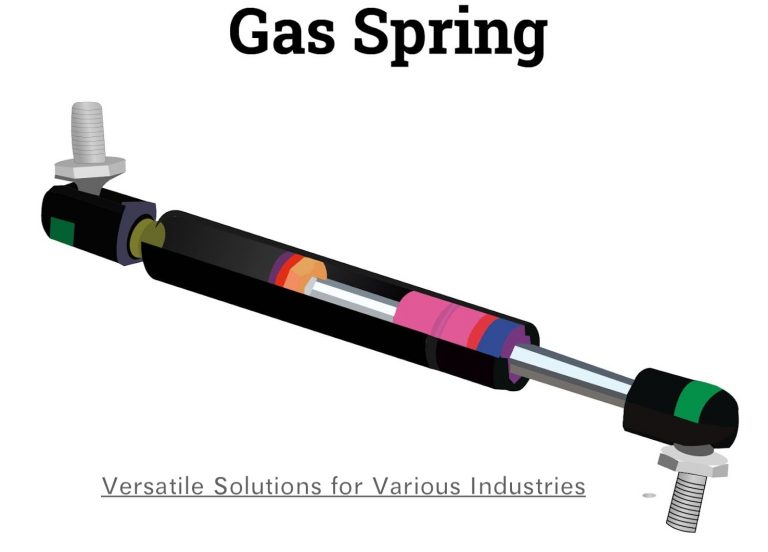
Introduction: A gas spring is a mechanical device that serves multiple functions, such as providing support, cushioning, braking, height adjustment, and angle control. Due to its versatility, gas springs have found widespread application across various industries, including medical equipment, automotive manufacturing,…
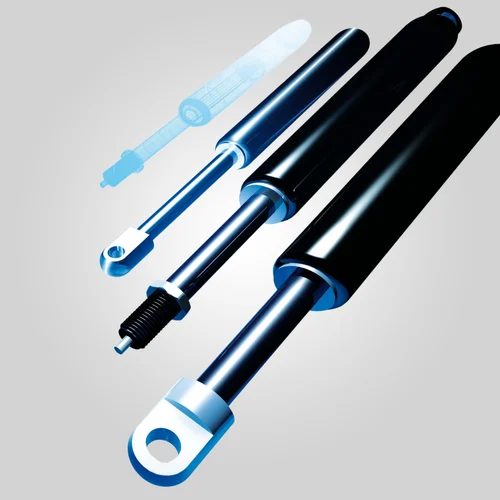
Testing the lifting force of a gas spring is an essential step in determining its performance and suitability for specific applications. There are two primary methods for measuring the force of a gas spring: Method 1: Vertical Placement with a…
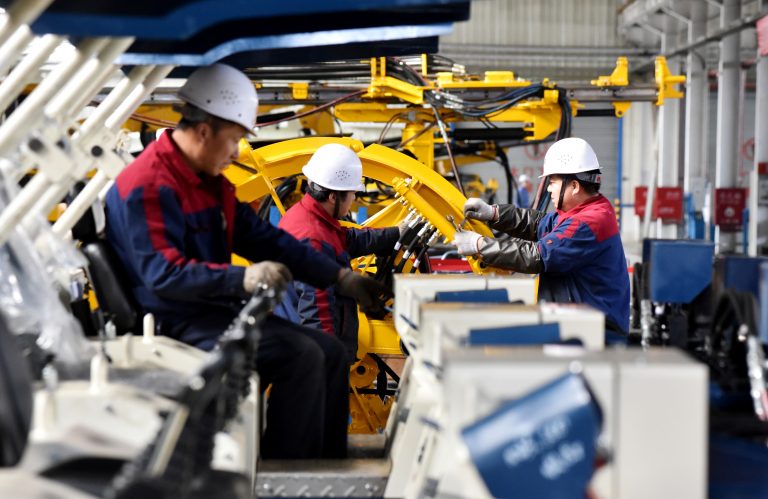
Gas springs are highly effective components used in various industrial and commercial applications. However, their lifespan and performance can be severely affected by improper handling and storage. To ensure optimal function and durability, several precautions should be observed during the…
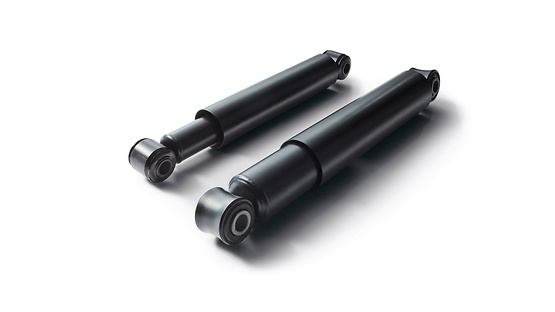
Gas spring shock absorbers, which combine metal and rubber components, are designed to provide efficient vibration isolation and shock absorption in various mechanical systems. This type of shock absorber uses a large-diameter spring, enhancing its shock absorption capabilities compared to…
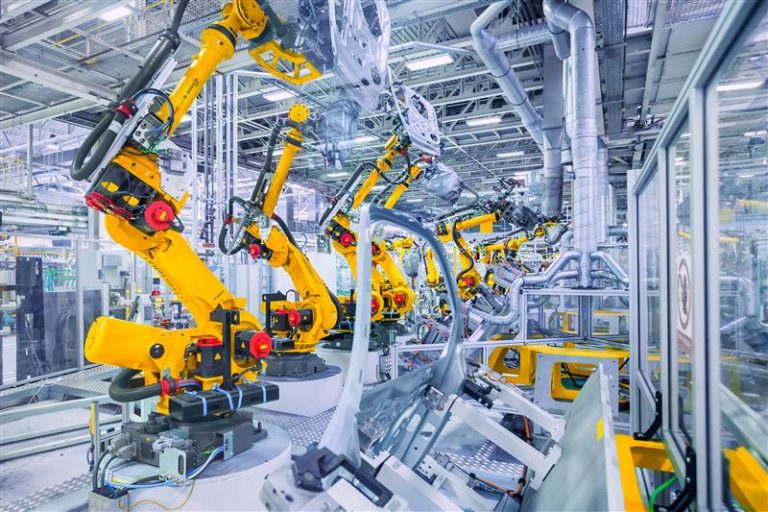
When assessing the quality of a gas spring, several critical factors must be considered. These aspects directly impact the performance, reliability, and lifespan of the gas spring. Below is a detailed breakdown of these factors: 1. Sealing Performance The most…
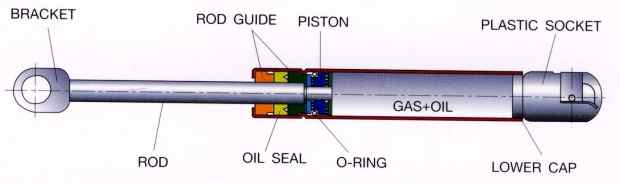
Support gas springs, commonly used in automotive applications such as trunk lids, exhibit different behavior depending on temperature changes. These springs contain compressed gas and a sealing mechanism that plays a key role in their performance. Temperature Effects on Gas…
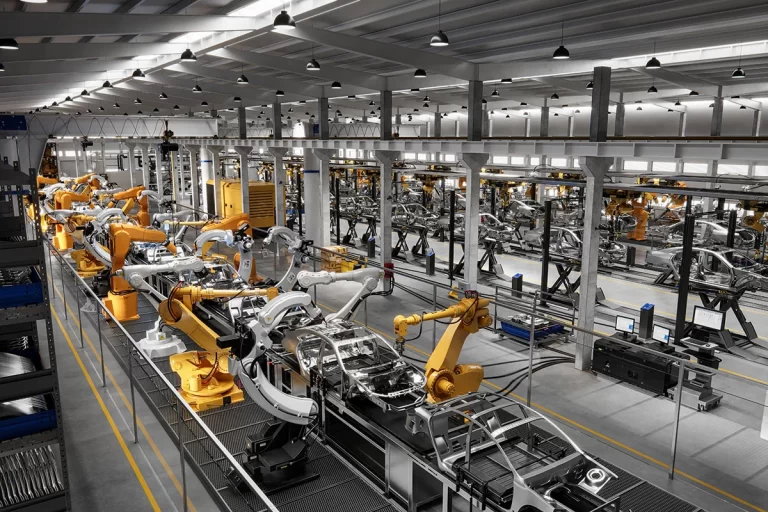
Gas springs, also known as gas struts, are vital industrial components that provide support, cushioning, braking, height adjustment, and angle adjustment. Their versatility and performance make them essential in a wide range of applications. Commonly used in industries such as…