Address
304 North Cardinal St.
Dorchester Center, MA 02124
Work Hours
Monday to Friday: 7AM - 7PM
Weekend: 10AM - 5PM

Address
304 North Cardinal St.
Dorchester Center, MA 02124
Work Hours
Monday to Friday: 7AM - 7PM
Weekend: 10AM - 5PM

 Byadmin
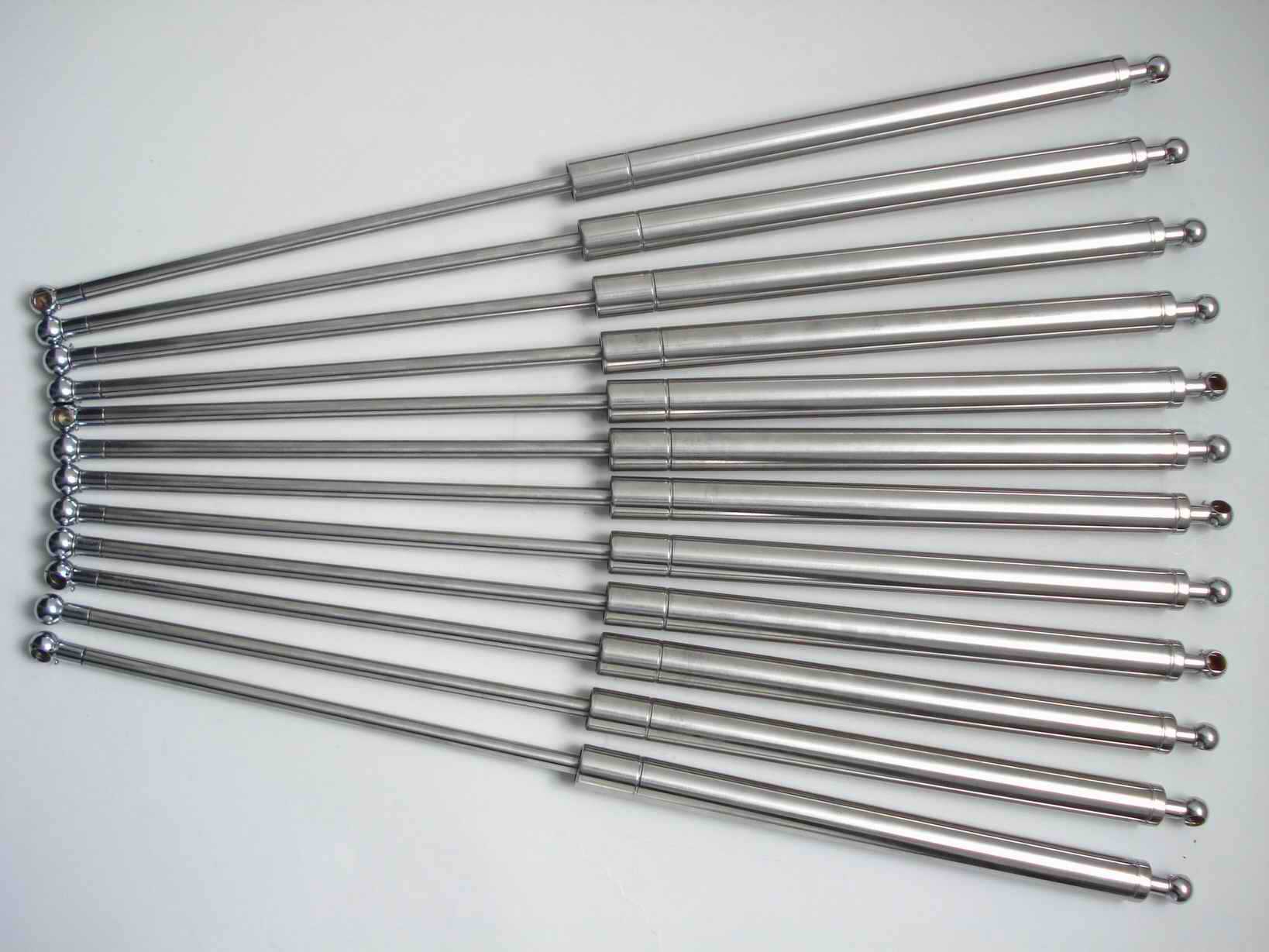
The operation of a stainless steel gas spring is based on specific physical principles. When no external force is applied, the gas spring naturally extends to its maximum length, which is its minimum compressed state. At this point, the pressure on both sides of the piston is equal. However, due to the different surface areas on either side, a pressure differential is created, providing the supporting force of the gas spring.
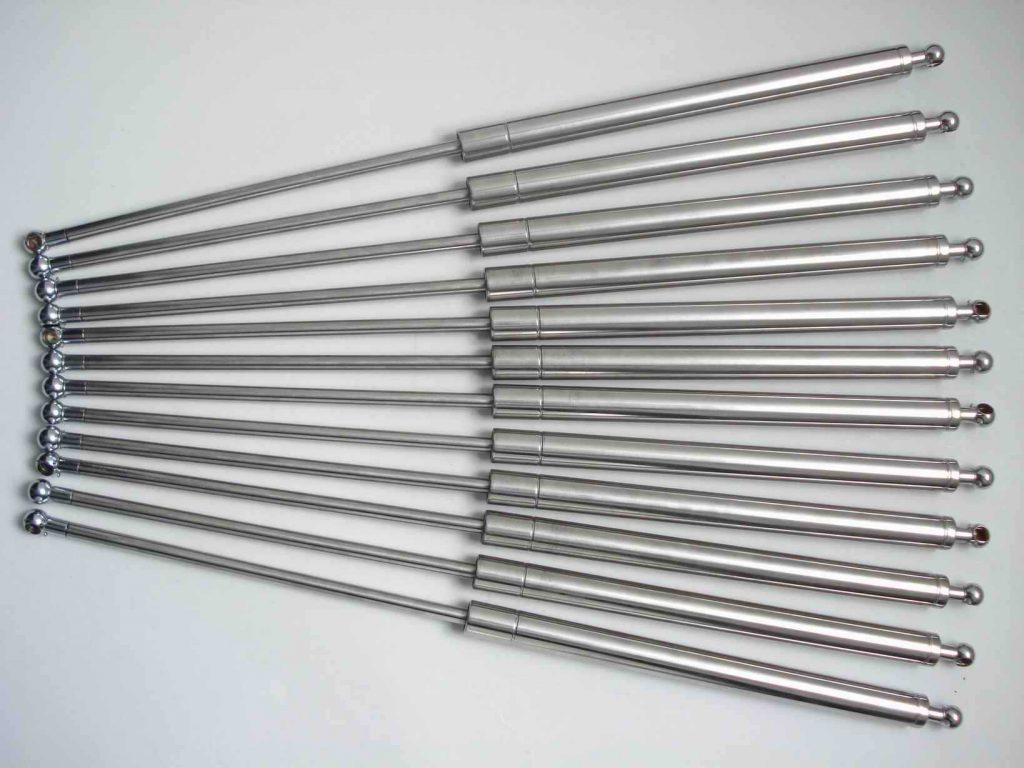
The total instantaneous supporting force provided by the gas spring during movement consists of two components:
When an external force compresses the gas spring, the volume inside the gas chamber decreases as the piston rod displaces the gas, leading to an increase in gas pressure. As a result, the supporting force generated by the pressure differential also increases.
Temperature plays a significant role in the gas spring’s performance. As the ambient temperature decreases, the pressure inside the gas chamber decreases, leading to a reduction in the supporting force provided by the gas spring.
In summary, the performance of stainless steel gas springs is influenced by both internal pressure dynamics and external factors such as friction and temperature. These factors determine the overall support that the gas spring can provide in various applications.